Blog

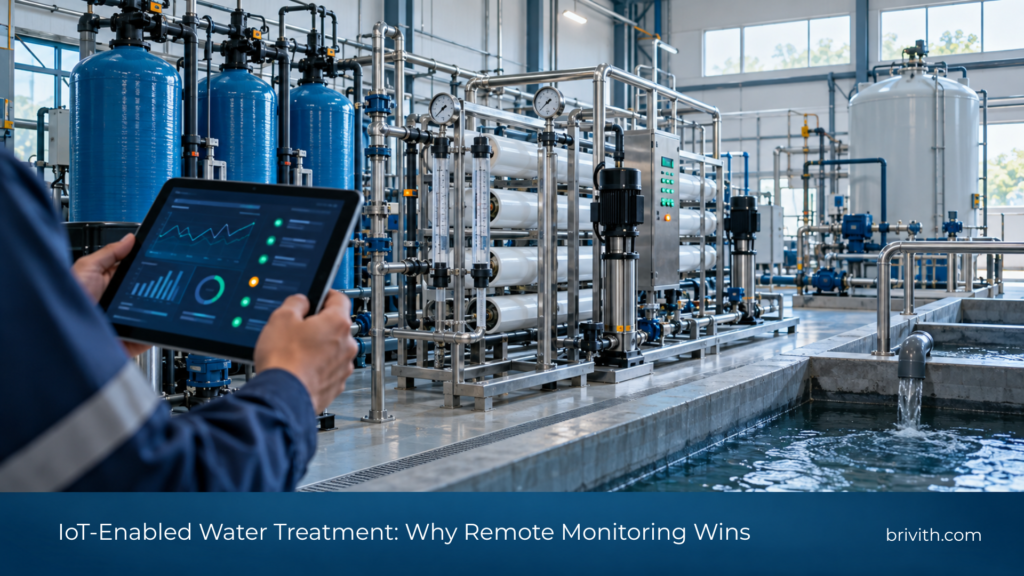
IoT-enabled water treatment plant with a remote monitoring dashboard showing live flow and pressure trends

IoT-Enabled Water Treatment Why Remote Monitoring Wins

IoT-Enabled Water Treatment: Why Remote Monitoring Wins | Brivith Engineering IoT-Enabled Water Treatment: Why Remote Monitoring Is Becoming the Industry Standard, Not a Luxury A register filled at 9 am tells you nothing about 2 am. Here is what live monitoring tracks, why regulators are pushing for it, and how to add it to the

IoT-Enabled Water Treatment Why Remote Monitoring Wins Read More »
Industrial Water Softening for extile & Dairy lants

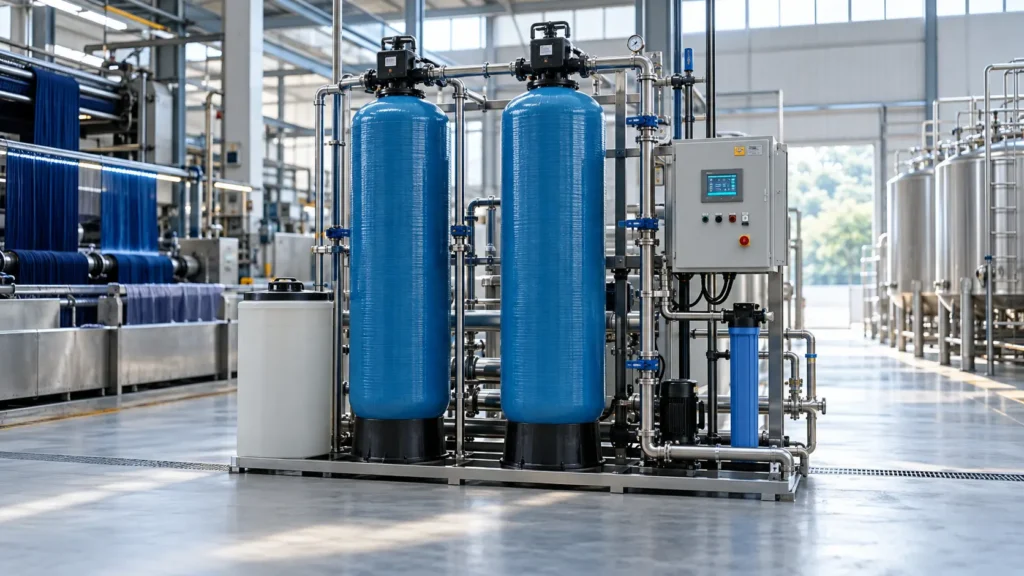
Why India’s Textile & Dairy Industries Are Rethinking Water Softening at Scale

Textile and dairy plants are rethinking industrial water softening because hard water now hurts them in three places at once: rejected batches, scaled boilers and heat exchangers, and rising chemical and fuel bills. In high-volume plants, these losses compound every shift. As a result, softening is moving from a small utility add-on to a core

Why India’s Textile & Dairy Industries Are Rethinking Water Softening at Scale Read More »

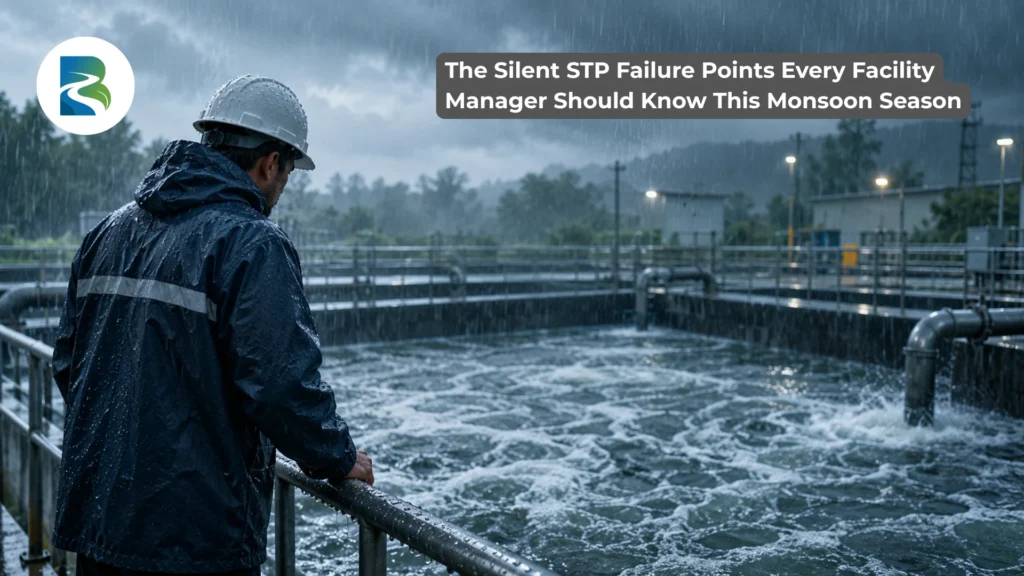
The Silent STP Failure Points Every Facility Manager Should Know This Monsoon Seasoning

The Silent STP Failure Points Every Facility Manager Should Know This Monsoon Season

Monsoon season pushes every Sewage Treatment Plant (STP) past its normal operating limits, and most failures do not announce themselves. STP failure points build up quietly through hydraulic overload, clogged inlets, strained blowers, and neglected sludge lines, long before a facility manager sees an alarm or smells trouble. Catching these weak points before the rains

The Silent STP Failure Points Every Facility Manager Should Know This Monsoon Season Read More »

Why Housing Societies Across Maharashtra Are Ditching Conventional STPs for MBBR-Based Systems

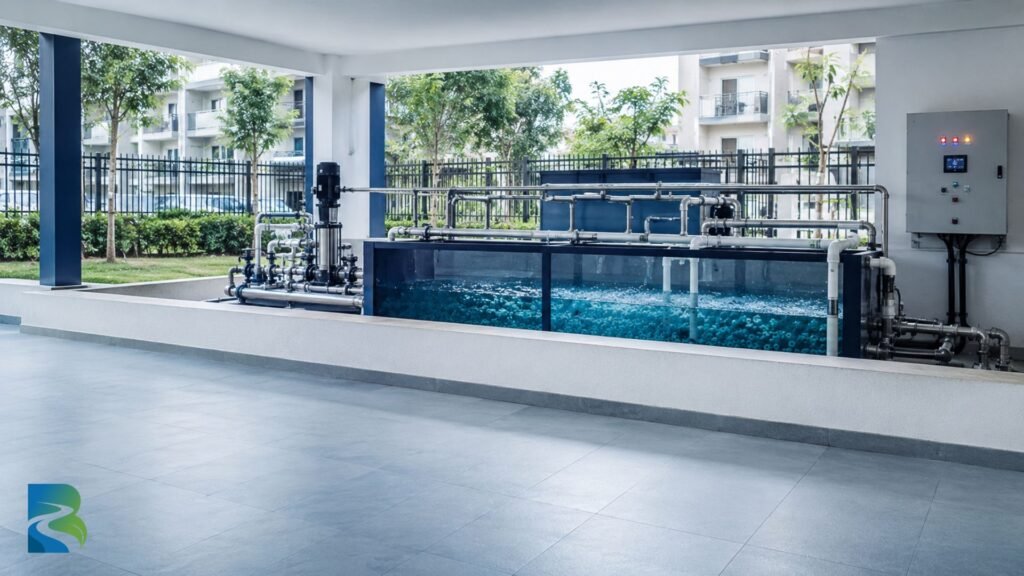
MBBR-Based STP Systems for Housing Societies in Maharashtra

Why Housing Societies Across Maharashtra Are Ditching Conventional STPs for MBBR-Based Systems Housing societies across Maharashtra are switching from conventional Sewage Treatment Plants to MBBR-based STP systems because MBBR technology lowers running costs, needs far less space, and demands much less manual attention. For a managing committee juggling tight budgets and even tighter plot sizes,

MBBR-Based STP Systems for Housing Societies in Maharashtra Read More »

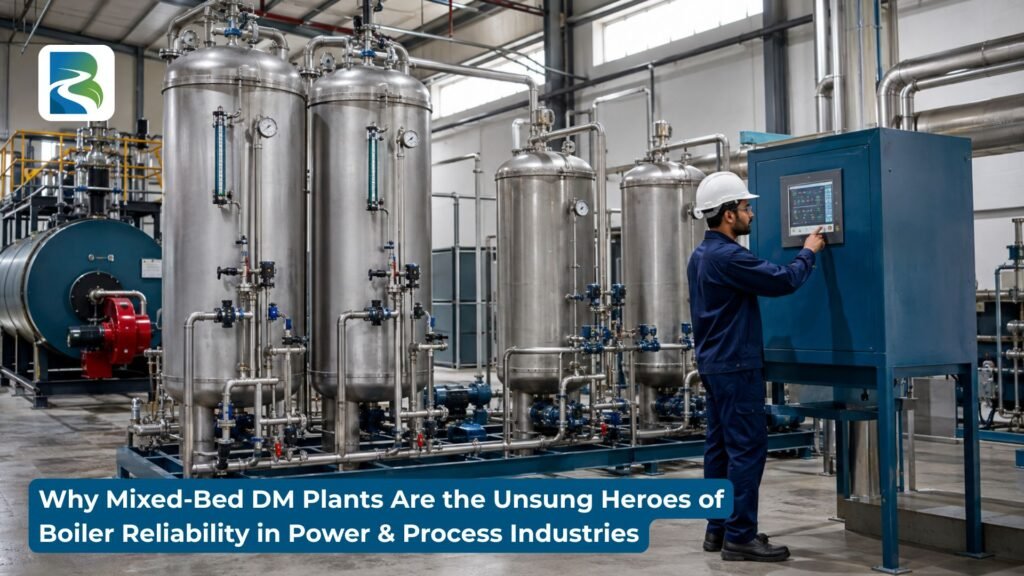
Why Mixed-Bed DM Plants Are the Unsung Heroes of Boiler Reliability in Power & Process Industries

Why Mixed-Bed DM Plants Are the Unsung Heroes of Boiler Reliability in Power & Process Industries

Ask any plant manager what keeps a boiler running reliably, and you’ll hear about burners, pressure gauges, and maintenance schedules. Rarely will you hear about the water going into the boiler. Yet feed water quality is one of the most common — and most overlooked — causes of boiler downtime, tube failure, and rising fuel

Why Mixed-Bed DM Plants Are the Unsung Heroes of Boiler Reliability in Power & Process Industries Read More »

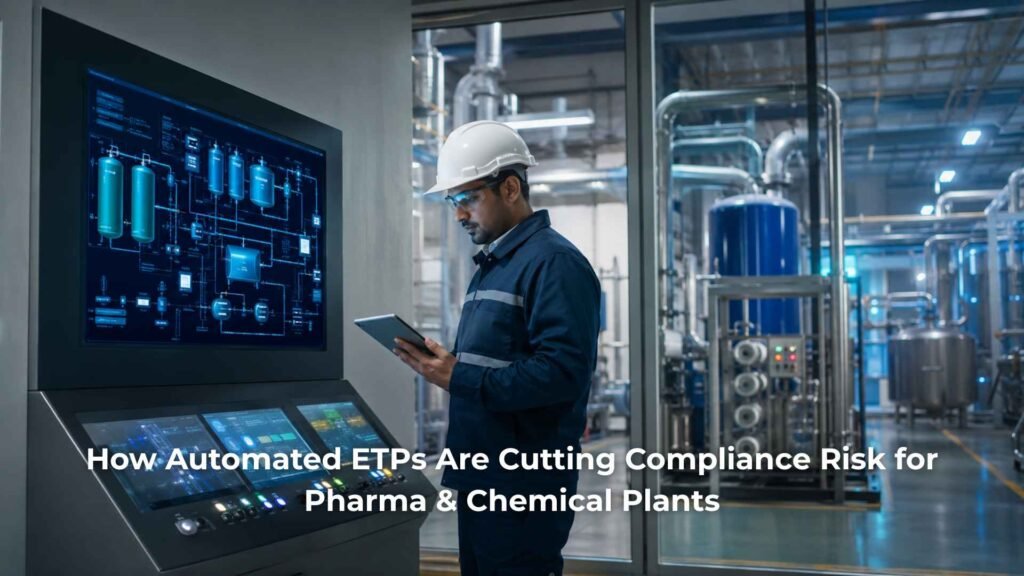
How Automated ETPs Are Cutting Compliance Risk for Pharma & Chemical Plants

How Automated ETPs Are Cutting Compliance Risk for Pharma & Chemical Plants

Introduction For pharma and chemical plant managers, a Pollution Control Board (PCB) notice is one of the most disruptive events that can hit a facility, causing production holdups, penalties, and reputational damage, often triggered by something as simple as an effluent parameter drifting out of range overnight, unnoticed. Manually operated Effluent Treatment Plants (ETPs) depend

How Automated ETPs Are Cutting Compliance Risk for Pharma & Chemical Plants Read More »

Zero Liquid Discharge: Why It’s Becoming Non-Negotiable for Indian Process Industries

For decades, industrial water management in India followed a simple, linear logic: draw water, use it, treat it enough to meet discharge norms, and release it. That model is running out of road. Between tightening Pollution Control Board enforcement, shrinking freshwater availability, and mounting pressure from customers and investors on ESG performance, more process industries

Zero Liquid Discharge: Why It’s Becoming Non-Negotiable for Indian Process Industries Read More »

Scroll to Top