Effluent Treatment Plant (ETP): How It Works, Stage by Stage
Treat It Right. Discharge It Safely. Reuse It Smartly.
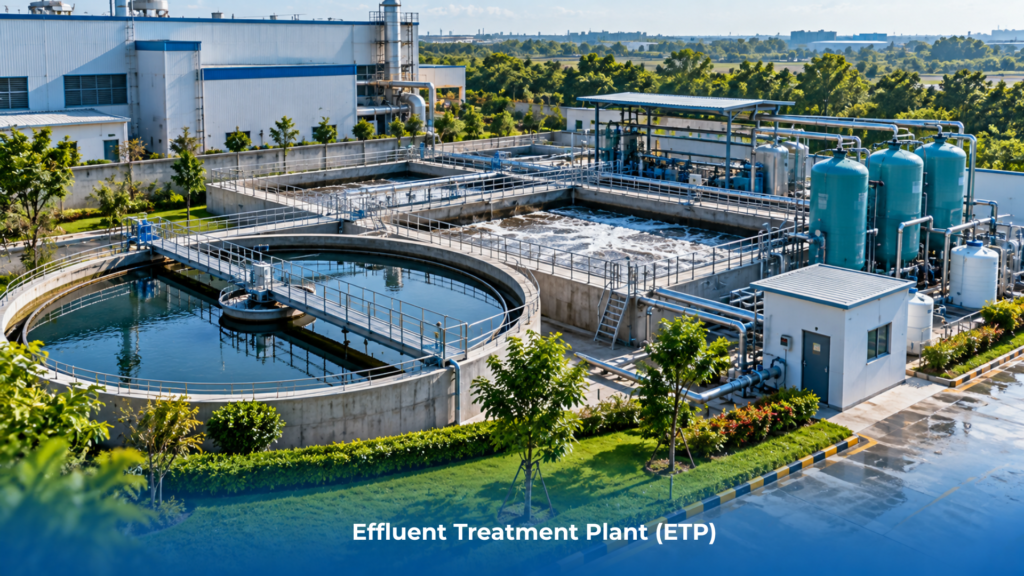
An effluent treatment plant (ETP) treats industrial wastewater so it can be safely discharged or reused. It removes pollutants such as suspended solids, oil and grease, organic load, toxic chemicals and colour before the water leaves your site.
Brivith Engineering designs ETPs from 1 KLD to 5000 KLD for chemical, pharma, food, textile and other process industries. This guide walks through each treatment stage, the parameters that matter and how to plan an ETP that stays compliant for years.
What is an effluent treatment plant?
An effluent treatment plant is a combination of physical, chemical and biological processes designed around one factory’s wastewater. Unlike sewage, industrial effluent varies widely between industries, and even between two plants in the same sector.
Consequently, no two ETPs are identical. A pharma unit may need to handle high COD and solvents, while a textile unit deals with colour and high TDS. That is why the design always starts with effluent characterisation.
How does an effluent treatment plant work?
An effluent treatment plant works in stages, with each stage removing a different group of pollutants. For example, the flow below shows a typical ETP configuration.
In parallel, sludge from the clarifiers goes to a thickener and a filter press or drying beds for safe disposal. Where water reuse or ZLD is the goal, advanced stages such as UF, RO and evaporators follow the tertiary stage.
What does each stage of an ETP remove?
Each stage of an ETP targets specific pollutants. In short, the table below summarises what happens where.
| Stage | Main Purpose |
|---|---|
| Preliminary | Removes floating matter, grit, oil and grease |
| Primary | Equalizes flow, neutralizes pH, settles suspended solids |
| Secondary (biological) | Reduces BOD and COD through microbial action |
| Tertiary | Polishes water through filtration and disinfection |
| Advanced (optional) | UF, RO or evaporation for reuse or ZLD |
| Sludge handling | Thickens and dewaters sludge for safe disposal |
Which parameters does an effluent treatment plant control?
An effluent treatment plant controls the parameters your consent to operate specifies. Typically, these include pH, BOD, COD, total suspended solids, oil and grease and TDS, plus industry-specific pollutants.
However, discharge limits vary by industry, receiving body and state. Therefore, always design to the exact values in your consent, and refer to the Central Pollution Control Board and your State Pollution Control Board for current standards.
Manual dosing and logging leave room for human error. Automated ETPs, on the other hand, keep treatment consistent through PLC control and online monitoring. We cover this in detail in How Automated ETPs Are Cutting Compliance Risk.
What is the difference between an ETP and an STP?
An ETP treats industrial process wastewater, while an STP treats domestic sewage from toilets, kitchens and bathrooms. In fact, many factories need both.
| Factor | ETP | STP |
|---|---|---|
| Wastewater source | Industrial processes | Domestic use |
| Pollutant profile | Chemicals, solvents, colour, metals, high COD | Organic matter, solids, pathogens |
| Design basis | Effluent characterisation per industry | Population and water use |
| Chemical treatment | Often essential | Usually minimal |
Which industries need an effluent treatment plant?
Any industry that generates process wastewater needs an effluent treatment plant. Typically, Brivith ETPs serve these sectors.
Pharmaceutical
High COD, solvents and variable batch effluent.
Chemical
Wide pH swings and complex chemistry.
Food and Dairy
High organic load, fats and cleaning water.
Textile
Colour, dyes and high TDS streams.
Automobile and Engineering
Oil, grease and surface treatment effluent.
Process Industries
Mixed streams that need custom treatment.
Why choose Brivith for your effluent treatment plant?
Brivith designs every effluent treatment plant around your effluent data and your consent limits. In addition, we stay with you after commissioning.
- PCB and CPCB compliant designs built to your consent conditions.
- Complete turnkey delivery, from treatability study to commissioning.
- Fully automated systems with PLC, SCADA and IoT monitoring options.
- Low operating cost through efficient biological stages and optimised dosing.
- Dedicated AMC support to keep performance stable year-round.
- 25+ years of expertise in water and wastewater engineering.
How do you plan the right effluent treatment plant?
You plan the right effluent treatment plant by collecting data before choosing technology. In practice, these six steps help you avoid undersized or overdesigned plants.
- Characterise your effluent with lab tests across different production batches.
- Measure flow patterns, including peak loads and cleaning cycles.
- Confirm discharge or reuse targets from your consent to operate.
- Decide on reuse or ZLD early, since it changes the entire design.
- Assess available space and choose between civil and packaged units.
- Plan sludge disposal and AMC from day one.
In addition, many process industries are now moving towards Zero Liquid Discharge. Read why ZLD is becoming non-negotiable before you finalise your ETP design.
Key Takeaways
- An effluent treatment plant treats industrial wastewater through physical, chemical and biological stages.
- Brivith ETPs range from 1 KLD to 5000 KLD for chemical, pharma, food, textile and process industries.
- Design starts with effluent characterisation and your exact consent limits.
- Automation and AMC keep treatment consistent and reduce compliance risk.
- Explore our ETP solutions on the Products page.
Frequently Asked Questions
What is the cost of an effluent treatment plant?
ETP cost depends on flow, effluent characteristics, discharge or reuse targets and automation. A small packaged ETP costs far less than a large plant with RO and evaporation. Brivith quotes after reviewing your effluent test reports.
What are the main stages of an effluent treatment plant?
The main stages are preliminary, primary, secondary (biological) and tertiary treatment, plus sludge handling. Advanced stages such as UF, RO and evaporators are added for reuse or ZLD.
Is an effluent treatment plant mandatory?
Industries that generate process wastewater generally need a consent from their State Pollution Control Board, which sets treatment and discharge conditions. Check your consent to operate for the exact requirements.
Can treated ETP water be reused?
Yes. With suitable tertiary and advanced treatment, ETP water can be reused for cooling towers, gardening, washing or even process use. The level of treatment depends on the reuse application.
How much space does an ETP need?
Space depends on capacity and technology. Compact biological processes such as MBBR and packaged units can reduce footprint compared with conventional designs.
Can an existing ETP be upgraded?
Yes. Brivith can audit an existing ETP and recommend upgrades such as automation, biological process changes or tertiary treatment to improve performance and compliance.
Need an ETP that stays compliant?
Share your effluent test reports and flow data. Our engineers will recommend the right treatment scheme, automation level and reuse strategy.
Protect Every Drop. Make Industries Water Positive.