Blog

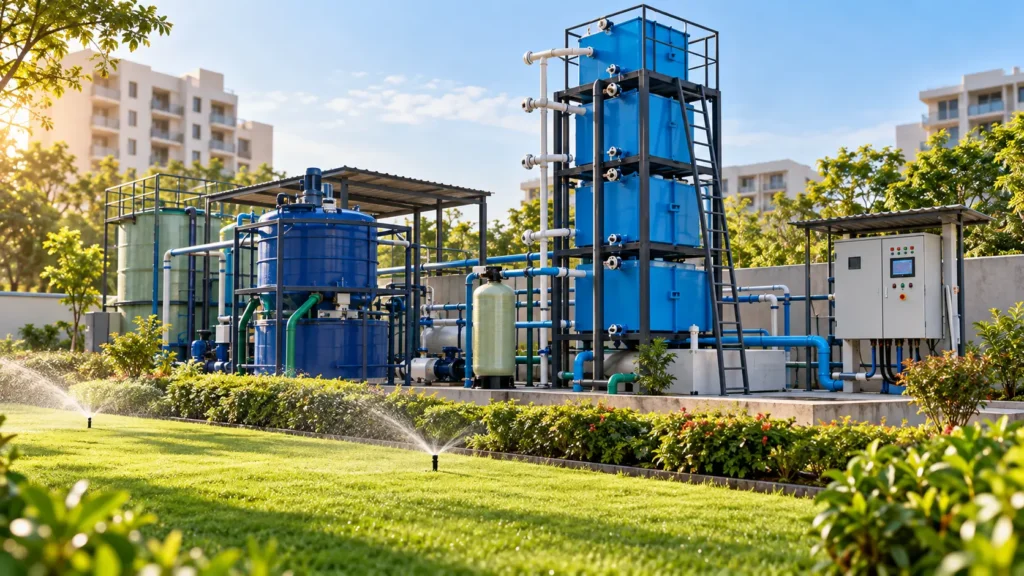
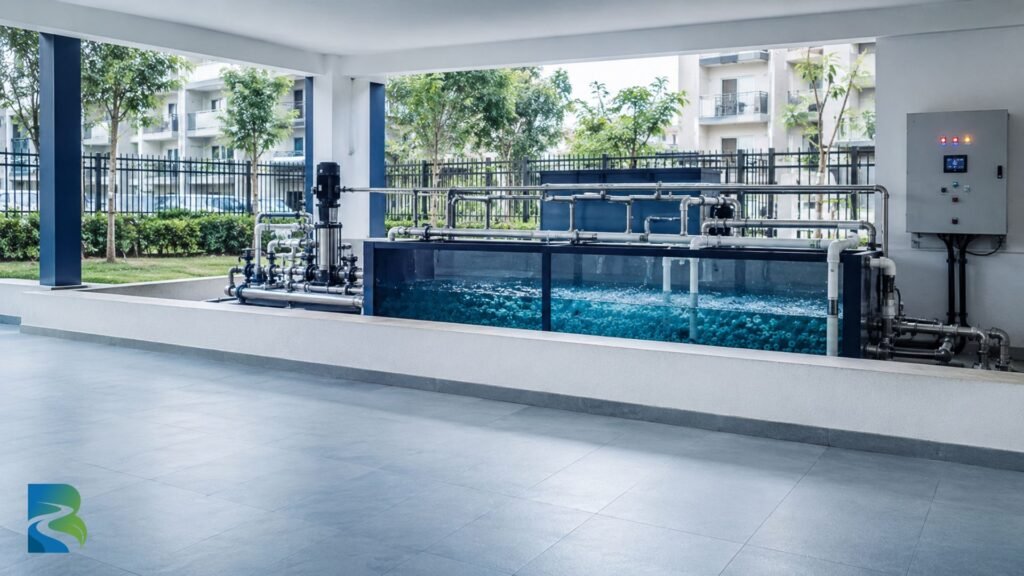
Why Housing Societies Across Maharashtra Are Ditching Conventional STPs for MBBR-Based Systems

MBBR-Based STP Systems for Housing Societies in Maharashtra

Why Housing Societies Across Maharashtra Are Ditching Conventional STPs for MBBR-Based Systems Housing societies across Maharashtra are switching from conventional Sewage Treatment Plants to MBBR-based STP systems because MBBR technology lowers running costs, needs far less space, and demands much less manual attention. For a managing committee juggling tight budgets and even tighter plot sizes,

MBBR-Based STP Systems for Housing Societies in Maharashtra Read More »
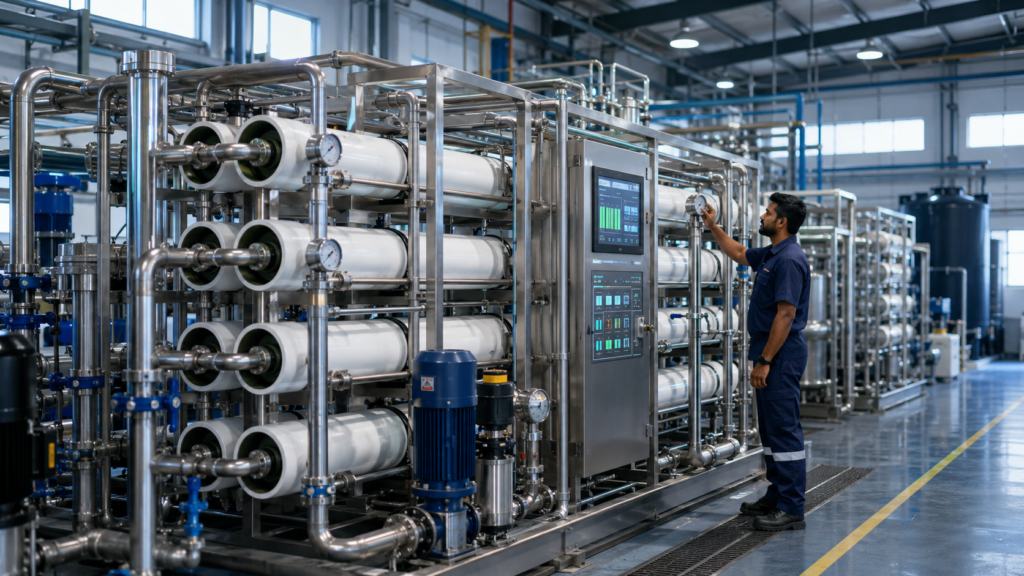
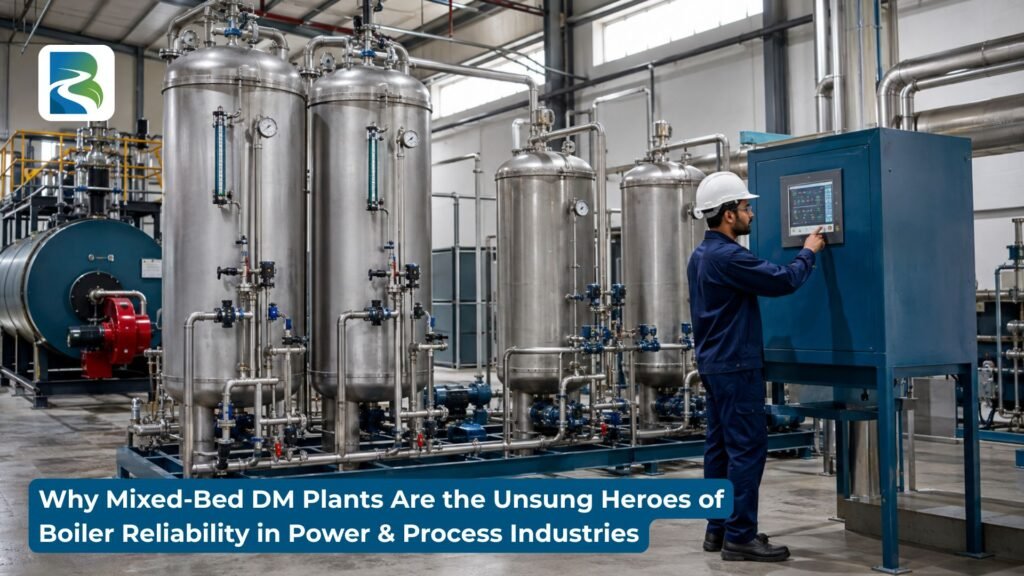
Why Mixed-Bed DM Plants Are the Unsung Heroes of Boiler Reliability in Power & Process Industries

Why Mixed-Bed DM Plants Are the Unsung Heroes of Boiler Reliability in Power & Process Industries

Ask any plant manager what keeps a boiler running reliably, and you’ll hear about burners, pressure gauges, and maintenance schedules. Rarely will you hear about the water going into the boiler. Yet feed water quality is one of the most common — and most overlooked — causes of boiler downtime, tube failure, and rising fuel

Why Mixed-Bed DM Plants Are the Unsung Heroes of Boiler Reliability in Power & Process Industries Read More »

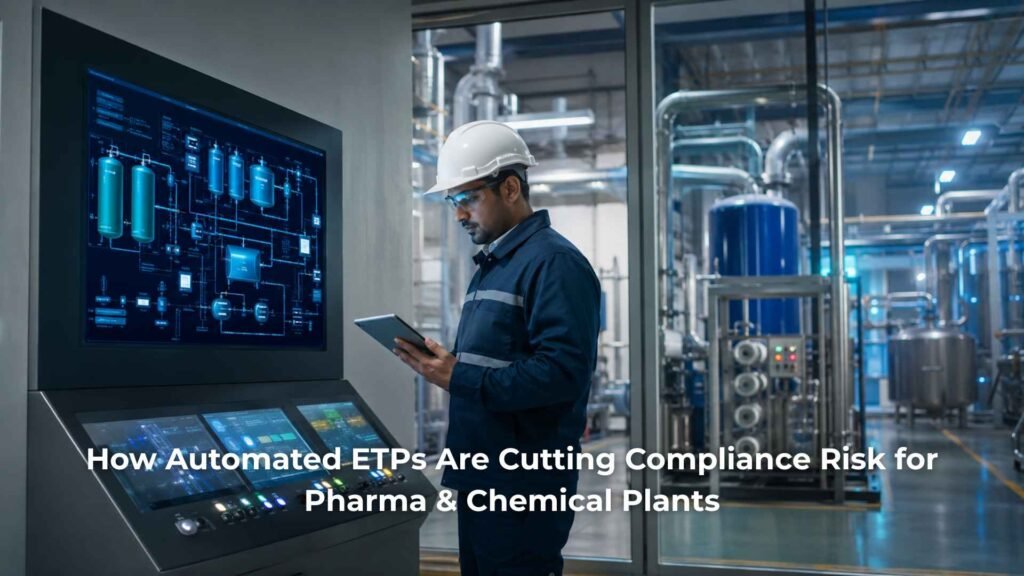
How Automated ETPs Are Cutting Compliance Risk for Pharma & Chemical Plants

How Automated ETPs Are Cutting Compliance Risk for Pharma & Chemical Plants

Introduction For pharma and chemical plant managers, a Pollution Control Board (PCB) notice is one of the most disruptive events that can hit a facility, causing production holdups, penalties, and reputational damage, often triggered by something as simple as an effluent parameter drifting out of range overnight, unnoticed. Manually operated Effluent Treatment Plants (ETPs) depend

How Automated ETPs Are Cutting Compliance Risk for Pharma & Chemical Plants Read More »

Zero Liquid Discharge: Why It’s Becoming Non-Negotiable for Indian Process Industries

For decades, industrial water management in India followed a simple, linear logic: draw water, use it, treat it enough to meet discharge norms, and release it. That model is running out of road. Between tightening Pollution Control Board enforcement, shrinking freshwater availability, and mounting pressure from customers and investors on ESG performance, more process industries

Zero Liquid Discharge: Why It’s Becoming Non-Negotiable for Indian Process Industries Read More »

Scroll to Top